Front Label, Back Story: How to Tell What's Really in an Orange Spirit
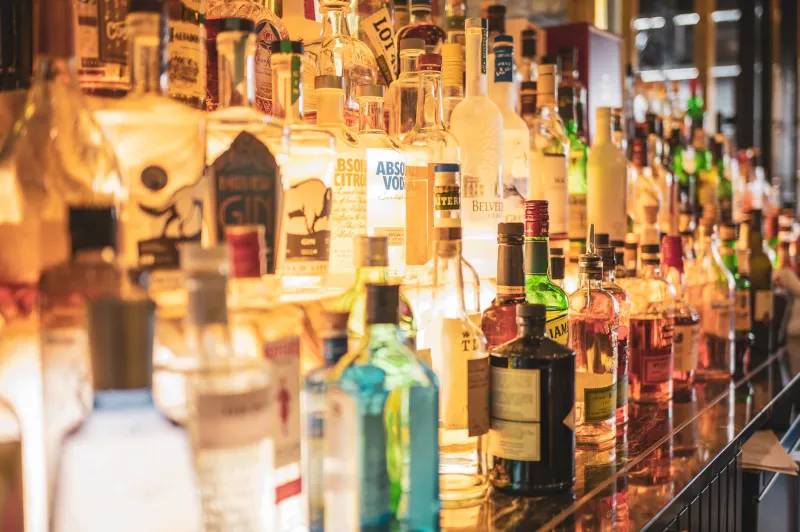
Two bottles sit side by side on the same liquor store shelf. Both say orange. Both have a picture of a citrus grove or a sunset or a very confident font. One makes a screwdriver that tastes like a crisp morning; the other turns your drink into pancake syrup with a hangover. The difference isn't the front label. It's the fine print—and the category hiding behind it.
First, What Counts as 'Vodka'?
In the US, vodka has a legal definition: neutral spirits distilled or treated so they're without distinctive character, aroma, taste, or color. Flavored vodka starts with that neutral base and adds flavoring. That's the lane. But 'orange vodka' on a bottle isn't a regulated category by itself. It's a marketing phrase. The actual product can be a flavored vodka, an orange liqueur, a spirit drink, or even a flavored malt beverage wearing a cocktail costume.
That's why two labels with the same three words can sit at totally different proof points, sugar levels, and price tags. The front label sells the vibe. The back label tells you what you're actually buying.
The Three Families You'll Meet on the Shelf
Most orange spirits fall into one of three buckets. Learn them and the aisle gets a lot less foggy.
Flavored vodka. This is vodka plus orange flavoring, usually 30% to 40% ABV. It should be relatively light in body, not sticky, and built for mixing. A good one smells like orange peel or fresh juice, not candy. It's the right call for screwdrivers, vodka sodas, martinis, and anything where you want orange flavor without extra sugar.
Orange liqueur. Think triple sec, curaçao, and the sweeter orange spirits used in margaritas and cosmos. Liqueurs are spirit plus sugar plus flavoring, and they usually land somewhere between 15% and 40% ABV. They're delicious, but they're not vodka. If you swap a liqueur into a screwdriver, you're making a sweeter, heavier drink. If you swap vodka into a margarita, you're making a stronger, sharper one. Both can work. They are not the same tool.
Flavored malt beverage. These are the canned orange cocktails and hard sodas sitting near the beer cooler. They're typically 4% to 8% ABV, carbonated, sweet, and made from a malt base rather than a distilled spirit. They're fine for what they are. They are not a cocktail ingredient, and they are not a substitute for vodka in a shaker.
'Natural Flavors' Is Not a Freshness Guarantee
The phrase 'natural flavors' sounds like someone squeezed an orange in a sunlit kitchen. In reality, the FDA definition is broad: flavoring derived from plant or animal sources, which can include oils, essences, extracts, and highly processed blends. It does not mean organic, fresh, cold-pressed, or free of additives. It doesn't even tell you how much flavor is in the bottle.
So don't stop at 'natural.' Look for clues about intensity and sweetness. Does the label mention orange peel oil? Orange juice? A specific varietal? Does it list sugar or corn syrup? Many spirits don't carry a full ingredient list, but some do. If the back label says 'with orange juice' or 'made with real orange peel,' that's a useful signal. If it says 'orange flavored spirit specialty' and nothing else, you're in vague territory.
The ABV Number Is Your Best Clue
Alcohol by volume is the quiet truth-teller. A classic vodka is usually 40% ABV, or 80 proof. Flavored vodkas often sit a little lower, around 30% to 35%, because the flavoring adds volume and the producer adjusts for balance. Orange liqueurs range widely—some triple secs are 15%, some curaçaos push 40%. Canned malt beverages are usually under 8%.
Here's the practical rule: if an orange spirit is 20% to 30% ABV and the label says 'liqueur,' expect sweetness. If it's 35% to 40% and says 'vodka,' expect a mixing spirit. If it's 5% and comes in a four-pack, treat it like a beer, not a base spirit. A 25% 'orange vodka' is almost certainly a liqueur in a vodka-shaped bottle. That's not a crime, but it will change your drink.
A Shopping Checklist for Three Jobs
Different drinks need different bottles. Here's how to choose without overthinking it.
For screwdrivers and vodka sodas
- Look for the word 'vodka' on the front and 'flavored vodka' on the back.
- Aim for 35% to 40% ABV, or 70 to 80 proof.
- Avoid bottles labeled 'liqueur' unless you want a sweeter drink.
- Check for added sugar or syrup on the ingredient panel if one exists.
- A little orange peel aroma is good. A candy-factory smell is a warning.
For spritzes and lower-proof afternoon drinks
- An orange liqueur can be perfect here—just use less of it.
- Look for 15% to 30% ABV and a clear 'liqueur' label.
- Taste before you build: sweet liqueurs need more soda and citrus to stay crisp.
- If you want a lighter drink without sugar, use flavored vodka and more sparkling water.
For sipping or storing in the freezer
- Higher proof matters. Look for 35% to 40% ABV.
- Skip anything syrupy. A sipping orange vodka should taste clean, with a real peel note.
- Liqueurs can be sipped, but treat them like dessert, not a spirit to nurse all evening.
- If the bottle says 'malt beverage,' keep it out of the freezer and out of the cocktail shaker.
The Bottle We Keep Reaching For
At 4 Orange Vodka, we're squarely in the flavored vodka lane. That means bright orange flavor, a clean finish, and a proof point built for mixing—not a liqueur's sugar hit, not a malt beverage's low-octane fizz. We want the bottle to behave like vodka first and orange second. That's the whole point of a screwdriver, a spritz, or a Friday-night experiment with whatever citrus is rolling around the fridge.
But the bigger takeaway isn't about our bottle. It's about turning the bottle around before you buy it. The front label is the pitch. The back label is the receipt. Read it once and you'll stop bringing home a dessert liqueur when you meant to buy a mixing vodka. Your screwdrivers will thank you.