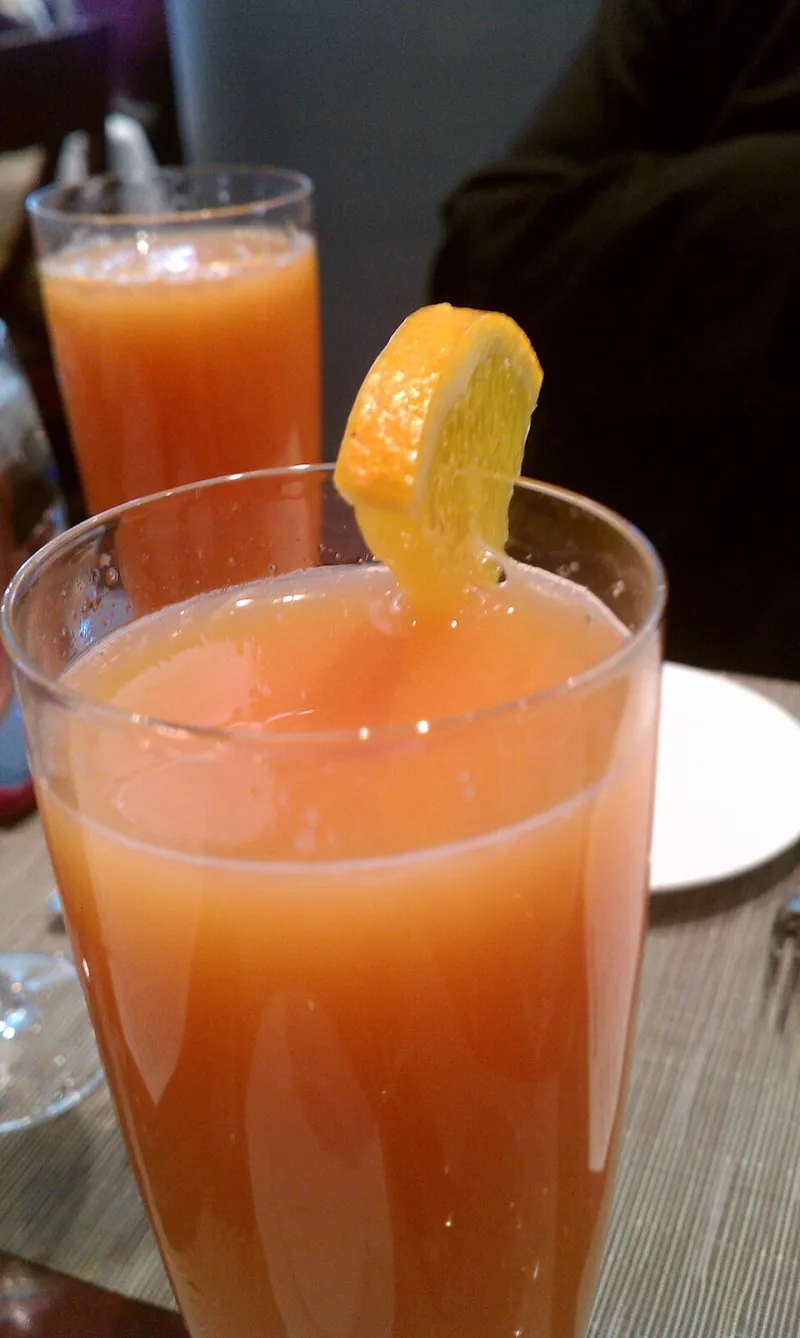
The Winter Citrus Audit: What Deserves a Spot Next to Your Orange Vodka
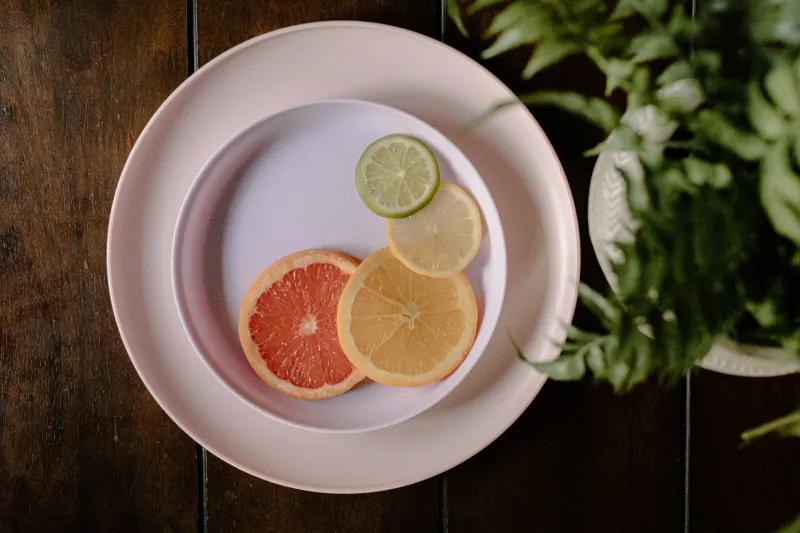
Orange vodka is dependable. It brings the same bright, citrus-forward punch every time you open the bottle. Fresh citrus is not dependable. A lemon in July and a lemon in January can behave like two different fruits, and that difference matters when you are building a drink. So instead of buying the same bag of lemons and limes all year, treat the colder months as a chance to mix with what is actually at its peak. Consider this your winter citrus audit.
Why Winter Citrus Hits Different
Citrus is a winter crop in much of the United States. Groves in California, Arizona, Texas, and Florida get their moment when the rest of the produce aisle is leaning on squash and root vegetables. That means the fruit you find from November through February is often fresher, juicier, and more flavorful than the imported citrus that fills the bins in June.
There is a practical side to this, too. Winter citrus tends to have a better balance of sugar and acid, and the peels are often loaded with aromatic oils. Since orange vodka already carries a bold citrus profile, your fresh fruit does not need to shout. It needs to work with the bottle, not fight it. The right winter lemon or grapefruit can make a two-ingredient drink taste intentional. The wrong one can make it taste like a hotel bar after midnight.
Lemons: The Acid Backbone
Winter is Meyer lemon season, and that is both a gift and a trap. Meyer lemons are sweeter, more floral, and less acidic than the standard Eureka or Lisbon lemons you see most of the year. They are lovely in a low-sugar spritz or a soft sour, but they will not give you the same snap in a drink that needs structure.
My rule: use Meyer lemons when you want perfume, and standard lemons when you want backbone. With 4 Orange Vodka, a Meyer lemon works nicely in a tall soda drink with a little honey syrup. A classic lemon gives you a cleaner sour. Either way, squeeze to order. Pre-squeezed juice loses the oils and the liveliness that make a citrus drink feel fresh. And please express the peel over the glass. That little spray of oil is free flavor.
Limes: Pick Heavier, Not Prettier
Limes can be sneaky in winter. The best ones are not always the glossiest. Pick them up. A good lime feels heavy for its size and gives slightly when you press it. Hard, lightweight limes are often dry inside, which is a quick way to ruin a drink.
Persian limes are the workhorse, but if you can find key limes, they bring a more floral, slightly bitter edge that plays well with orange vodka. Use fresh lime in drinks where you want lift rather than sweetness: a vodka soda with lime, a ginger beer highball, or a simple sour. If a recipe calls for lime juice and the limes are stingy, do not make up the difference with bottled juice. Adjust the drink instead. Add a little less syrup, lean on soda, and let the orange vodka carry more of the load.
Grapefruit: The Bitter Bridge
Grapefruit is at its best in winter, especially the pink and ruby red varieties from Texas, Florida, and California. It brings something orange vodka loves: bitterness. A little grapefruit peel or fresh juice can make a drink taste more grown-up without making it heavy.
Pink grapefruit is brighter and more approachable. White grapefruit is more bitter and assertive. For a simple winter highball, combine 2 ounces of 4 Orange Vodka, 2 ounces of fresh pink grapefruit juice, and soda. Add a grapefruit peel expressed over the top. If you want a little more depth, tuck in a rosemary sprig and let it sit for a minute. Do not over-sweeten grapefruit drinks. The point is the edge.
Blood Oranges: Short Window, Big Drama
Blood oranges are the headliners of winter citrus. Their season is short, often running from December into February depending on the variety and growing region. Moro blood oranges are deep red and berry-like; Tarocco are sweeter and less dramatic in color. Both are worth grabbing when you see them.
Because blood orange juice is less acidic and more aromatic than regular orange juice, it can make a drink taste flat if you use it like a standard mixer. Treat it more like a flavor accent. A blood orange garnish, a splash in a spritz, or a small measure in a sour can be enough. Blood orange juice also oxidizes quickly, so squeeze it close to serving. Do not bury it under a mountain of sugar. Let the color and the berry note do the work.
The Garnish Rule: Peel Over Wedge
A limp wedge on the rim is not doing your drink any favors. Winter citrus peel is where the aroma lives, and aroma is most of the tasting experience. Use a peeler or channel knife to pull a strip of peel, twist it over the glass, and run it around the rim if you like. Lemon peel with a lemon drink, grapefruit peel with grapefruit, orange peel with anything that needs a little extra sunshine.
If you want a wedge, cut it fresh and keep it cold. A dry wedge is worse than no wedge. And if you are hosting, put out a small plate of winter citrus peels and let guests garnish their own drinks. It looks generous, it smells great, and it keeps people from drowning a good pour in juice.
What to Skip Until Spring
Skip the rock-hard imported citrus that looks like it was polished for a photo shoot and tastes like nothing. Skip the pre-squeezed juice if you can. Skip the habit of buying the same three fruits every week just because they are familiar. This is not about being precious. It is about getting more flavor for the same money.
A Simple Winter Pairing Plan
For a lemon drink, keep it lean: orange vodka, fresh lemon, a little syrup, soda. For lime, go tall and fizzy with ginger beer or club soda. For grapefruit, lean into bitterness with a peel and a rosemary sprig. For blood orange, use it as a splash and a garnish rather than the whole show. None of these are complicated, and that is the point.
Winter citrus gives you a short, bright window to mix with fruit that actually tastes like something. Your orange vodka is already steady. Let the fruit be the variable. Squeeze the day, and make it seasonal.