The Last Five Minutes: Garnishes That Make a Home-Poured Orange Vodka Cocktail Look Like a Night Out
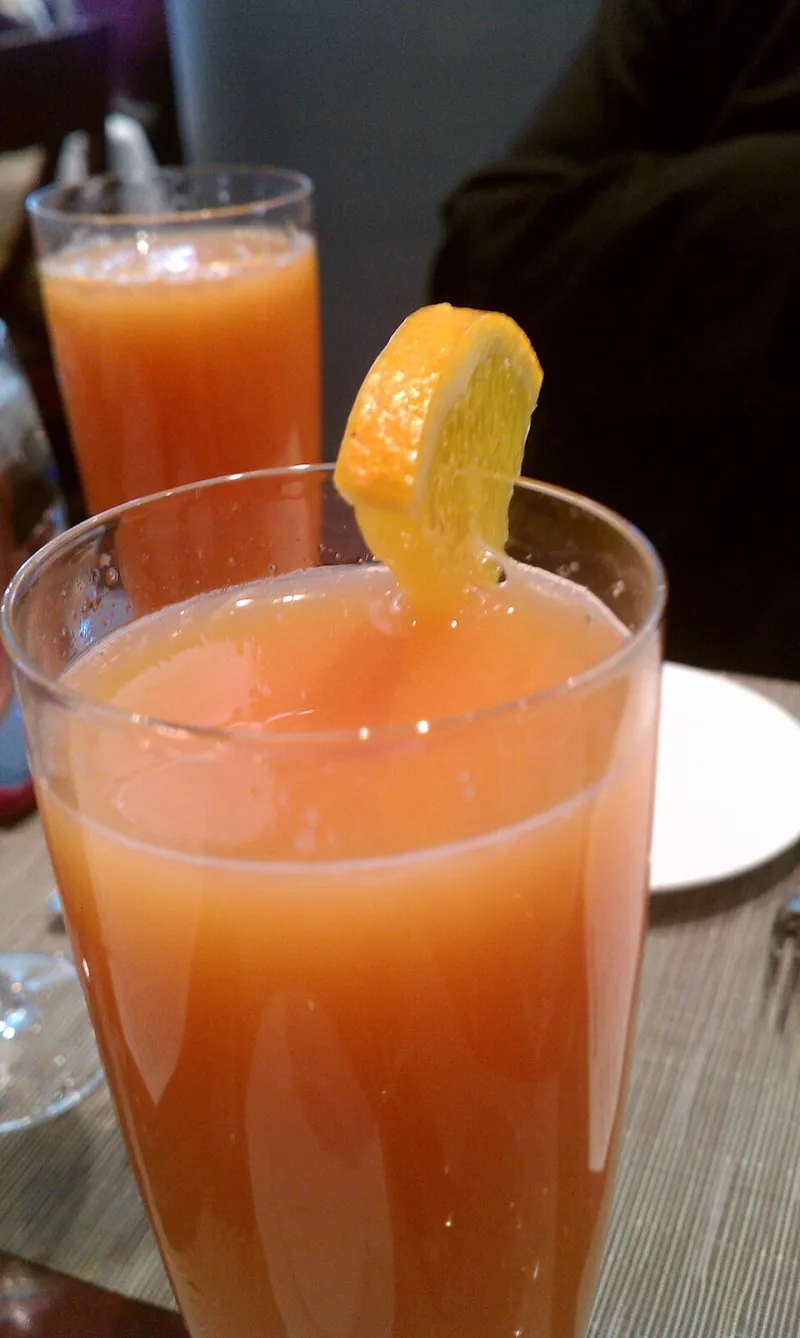
Photo: John Taylor, CC BY 2.0, via Wikimedia Commons
There is a moment, right before you hand someone a drink, when the whole thing either reads as “I made this in my kitchen” or “I would pay eighteen dollars for this.” The difference is rarely the vodka. It is almost always the last five minutes.
Garnishes get a reputation for being fussy, the domain of bartenders with tattoo sleeves and a drawer full of tiny tweezers. But most of the moves that make a home-poured orange vodka cocktail look polished are cheap, fast, and a little bit theatrical. You already have the citrus. You probably have the sugar. What you need is a plan.
The Peel Is the Cheapest Special Effect You Own
Before you buy a single piece of bar equipment, learn the expressed peel. It is the highest-impact, lowest-cost garnish in the book, and orange vodka is a natural fit because the flavor already lives in the same lane.
Use a Y-peeler or a sharp paring knife to cut a wide strip of orange peel, avoiding the bitter white pith. Hold the peel skin-side down over the glass and give it a sharp squeeze—you want the oils to mist the surface of the drink. Then rub the peel around the rim, drop it in, and move on. That is it. The drink smells brighter, looks intentional, and costs about thirty seconds.
For a party, cut a pile of peels ahead of time and store them in a sealed container with a damp paper towel. They will hold for a few hours. If you want curls, wrap the strips around a pencil or a chopstick, slide them off, and let them set in ice water while you finish the rest of the setup.
The Freezer Is Your Garnish Drawer
Dehydrated citrus wheels are the signature move of every trendy bar that wants you to take a picture. They are also easy to make at home, and they last for weeks.
Slice oranges thin—about an eighth of an inch—and dry them in a low oven, around 200°F, for two to three hours, flipping once. You want them leathery and dry, not burnt. Let them cool completely, then store them in a jar. If you do not want to turn on the oven, a bag of dehydrated orange wheels from the grocery store is a perfectly respectable shortcut. Nobody at your party is going to ask for the receipt.
Use them as a float, tuck one behind a ice cube, or thread one onto a wooden skewer with a cocktail cherry. They add color, a subtle citrus aroma, and the general impression that you have your life together.
Rims: A Little Texture Goes a Long Way
A rim can be a gimmick or a genuine upgrade. The difference is restraint. You are not trying to crust the entire glass like a margarita at a chain restaurant. You are trying to add one small, salty-sweet hit at the edge.
Mix equal parts granulated sugar and coarse salt, then add a little finely grated orange zest. Run an orange wedge around the rim of the glass, dip the rim into the mixture, and tap off the excess. Do half the rim, not the whole thing. It looks more deliberate, and it gives people a choice.
For a sweeter drink, skip the salt and use a simple orange sugar. For a drier, more savory pour, go heavier on the salt and add a crack of black pepper. Just make sure the rim matches the drink. A sugar rim on a tart, fizzy highball is a nice contrast. A sugar rim on something already sweet is a dentist appointment.
Shop Your Kitchen for Glassware
You do not need a matching set of crystal coupes. You need glasses that are clean, chilled, and the right shape for the drink. A highball for something long and fizzy. A coupe or a small wine glass for something stirred and strong. A mason jar is fine if the vibe is backyard, not bachelorette.
Put your glasses in the freezer for ten minutes before you pour. A cold glass holds a chill longer, looks frostier, and makes even a simple two-ingredient drink feel considered. If you are serving a crowd, fill a cooler with ice and nestle the glasses in it. People notice cold glassware. They do not notice that it came from the dollar store.
The Five-Minute Garnish Station
For a party, set up a small garnish station away from the main bar area. It keeps people out of your way and lets them customize their own drink. Here is a five-minute prep list:
- Peel ribbons: Cut a dozen wide strips from two oranges and curl them around a pencil. Store in ice water.
- Dehydrated wheels: Pull a handful from the jar and arrange them on a small plate.
- Rim mix: Combine sugar, salt, and orange zest in a shallow bowl.
- Citrus wedges: Cut a few oranges into wedges for people who want to squeeze their own.
- Picks and skewers: Wooden toothpicks and short skewers are cheap, useful, and make even a cherry look dressed up.
That is the whole setup. No Boston shakers, no fine-mesh strainers, no smoked ice program.
The Light Is the Secret Ingredient
If you are taking photos—and you will—the cheapest upgrade is not a garnish at all. It is light. Put the glass in front of a window, turn off the overhead kitchen light, and let the sun come through the drink. Backlighting makes the ice glow and the orange slices look almost stained glass. A plain white cutting board or a sheet of poster board makes a clean background. Move the drink around until you see a little rim of light on the glass, then take the shot.
This is also why orange vodka is such a good base for home entertaining. It already has color. It already has a point of view. You are not starting from a blank canvas; you are just adding a frame.
A Word on Restraint
One garnish is usually enough. Two is a statement. Three is a salad. Pick the move that matches the drink and stop there. A expressed peel on a screwdriver. A dehydrated wheel on a fizzy highball. A salted orange rim on something with a little bite. That is the whole playbook.
The point is not to pretend you have a bar program. The point is to make the drink feel like it was made for the person holding it. A little peel, a little salt, a cold glass, and a good base spirit will do more than a cabinet full of equipment you use twice a year. Squeeze the day—and make it look good doing it.