Past the Shaker: Five Savory Recipes Where Orange Vodka Actually Belongs
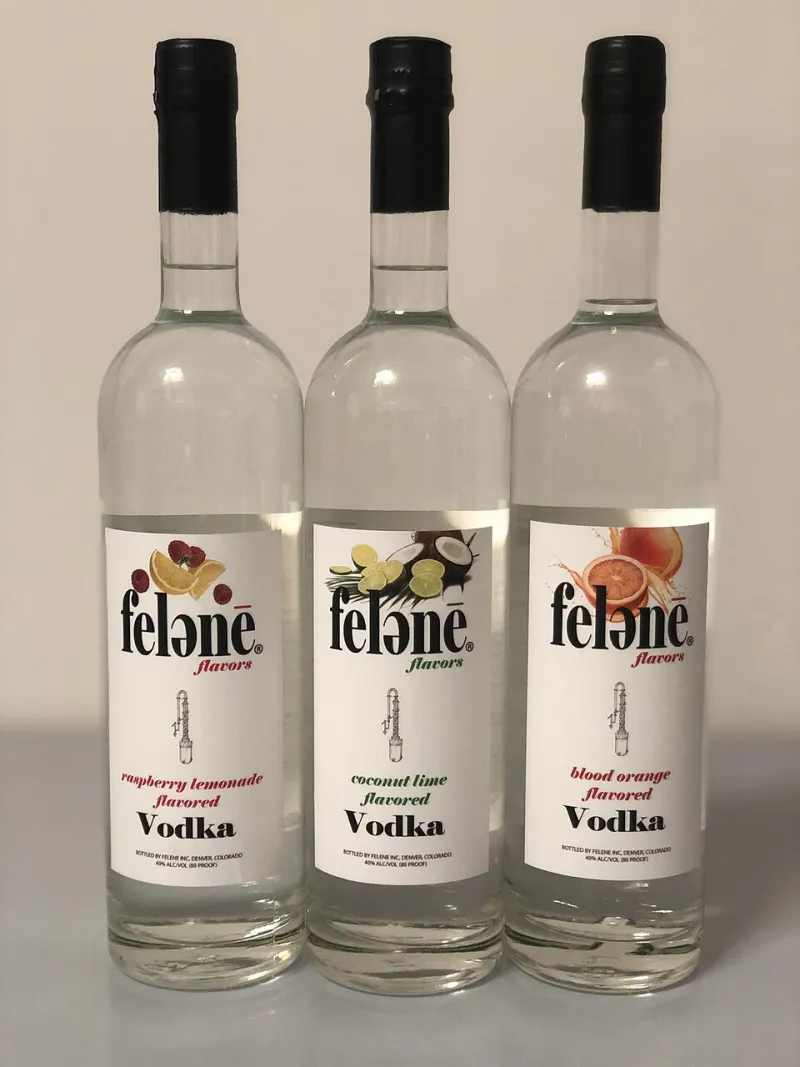
Photo: TKForextv, CC BY-SA 4.0, via Wikimedia Commons
Somewhere along the way we all agreed that flavored vodka lives in the freezer and dies in the shaker. Fair. But if you've ever deglazed a pan with wine, splashed sherry into a soup, or dumped a glug of bourbon into a pot of chili, you already know the logic: alcohol carries aroma, acid brightens, and the heat takes most of the booze out of the equation. Orange vodka does all three, and it does them with a citrus peel note that's harder to get from a squeeze of juice alone.
The catch is that it isn't a neutral spirit, and it isn't wine either. It's roughly 30–40% alcohol with an orange character that can taste clean and zesty or, in the wrong bottle, like a candle. That's exactly why it's worth testing before you commit a whole roast to it.
Below are five savory uses that earned a spot in our kitchen, ranked roughly by how reliably they work. Ratios are for a standard 750 ml bottle of plain orange vodka — not the whipped, vanilla, or cake-flavored stuff, which brings sugar you don't want in a marinade.
First, the Two Rules That Keep This From Going Wrong
Rule one: treat it like a seasoning, not a liquid. You're adding tablespoons, not cups. Orange vodka is loud. Two tablespoons will perfume a pound of shrimp; a half cup will make them taste like a cocktail garnish.
Rule two: add it where there's fat or heat to soften it. Vodka splashed into a cold sauce tastes sharp and slightly raw. Vodka hitting a hot pan or whisked into oil tastes like orange zest with a bite. Same reason you don't drink warm vermouth straight from the cupboard.
A word on the alcohol itself: it does not fully cook off. Simmering for 15 minutes leaves meaningful alcohol behind; a long braise leaves less. If you're cooking for kids, pregnant guests, or anyone in recovery, don't lean on the "it burns off" myth — use orange zest and a spoonful of juice instead. Keep the bottle away from open flames, never pour it into a hot pan over a gas burner unless you're deliberately flambéing, and never add it to hot oil.
1. The Shrimp Marinade That Rewards a Short Timer
Ratio: 2 tbsp orange vodka + 3 tbsp olive oil + 1 tbsp fresh lemon juice + 1 tsp orange zest + 2 cloves grated garlic + salt, per pound of shrimp.
This is the one people expect to be the star and it's actually the fussiest. Alcohol and acid both tighten protein, so shrimp left in this for an hour turn bouncy and chalky. Twenty minutes, refrigerated, is the sweet spot — thirty is the ceiling.
What you get at twenty minutes is shrimp that smell faintly of orange peel before they hit the grill and taste like they were finished with a squeeze of citrus. The vodka's contribution is aroma, not flavor in the sense of "orange." If you're looking for a punch of fruit, add the zest, not more booze.
Grill hot and fast, and don't baste with the spent marinade — it held raw seafood. Boil it down for two minutes if you want to use it as a finishing drizzle, or just throw it out.
2. A Vinaigrette That Needs Restraint
Ratio: 1 part orange vodka, 1 part sherry vinegar, 3 parts good olive oil, plus a pinch of salt and a shallot.
Emulsify it properly and this is genuinely lovely over shaved fennel, butter lettuce, or a plate of cold poached salmon. Skip the emulsification and you get an oily puddle that tastes like a screwdriver gone flat.
Use a small jar and shake hard. Let it sit five minutes so the shallot softens and the raw alcohol edge settles. This is the place where cheap vodka gets found out fastest — the vinaigrette is thin enough that any roughness in the spirit has nowhere to hide.
Where it overwhelms: anything with a delicate vinegar already in play. Balsamic, aged sherry, good Champagne vinegar — the orange fights all of them. Save this one for neutral acids.
3. The Tomato Sauce Spike (Best in Class)
Ratio: 1 tbsp orange vodka per quart of tomato sauce, added in the last 10 minutes.
This is the winner, and it isn't close. Tomato and orange are old friends — the same reason a strip of peel transforms a pot of pomodoro. A tablespoon of orange vodka stirred into a long-simmered sauce brightens it in a way that a squeeze of lemon can't, because it carries aroma upward rather than just adding sourness.
Add it late. Vodka's volatile compounds blow off with long cooking; ten minutes is enough to mellow the alcohol and keep the citrus. A pinch of red pepper flakes alongside it makes the whole thing taste rounder.
4. A Quick Cure for Salmon or Scallops
Ratio: 2 parts kosher salt to 1 part sugar, then 2 tbsp orange vodka per pound of fish, rubbed in before the salt mixture goes on.
Beet-cured salmon gets the headlines, but a citrus-cured side of salmon is the more useful party trick, and a little orange vodka helps the salt penetrate evenly without making the fish taste like a cocktail. Cure 12–18 hours for a 1-inch-thick fillet, weighted, in the fridge. Rinse, pat dry, slice thin.
The vodka's job here is texture, not flavor — the cure comes out cleaner and less salty-edged. Scallops work too, but cut the time to 45 minutes or you'll have ceviche by accident.
5. The Roast Chicken Glaze (Handle With Care)
Ratio: 1/4 cup orange vodka + 1/4 cup honey + 2 tbsp Dijon + zest of one orange, reduced by half, brushed on in the last 10 minutes.
Reduce the vodka with the honey first, off the heat, and let it cool before it goes anywhere near the bird — sugar and alcohol both want to burn. Brush it on late and watch the oven. What you get is lacquered, deeply orange-scented skin and a pan sauce that needs nothing more than a spoon of butter and a scrape.
This is also the recipe most likely to divide a table. If your crowd likes a sweet-savory glaze, it's a home run. If they don't, it's a dessert chicken.
The Honest Taste Test: Where It Works, Where It Doesn't
After a week of testing, the pattern was clear. Tomato sauce and the cure were the two keepers — subtle, improving, hard to overdo. The vinaigrette was conditional on a good bottle and a light hand. The shrimp marinade was good but fussy, and better with zest than with more spirit. The chicken glaze was the crowd-pleaser and the most divisive.
Where orange vodka lost every time: anything where the citrus had to fight a strong acid, anything with a delicate protein and a long soak, and — memorably — a mushroom risotto that tasted, briefly, like a breakfast juice bar. Save the bottle for the dishes with fat, heat, and a reason to be bright.
Two tablespoons at a time, and you'll find the bottle earns a spot on the counter after all.