Bright Ideas: How Citruscore Took Over the Home Bar (And Why We're Here for It)
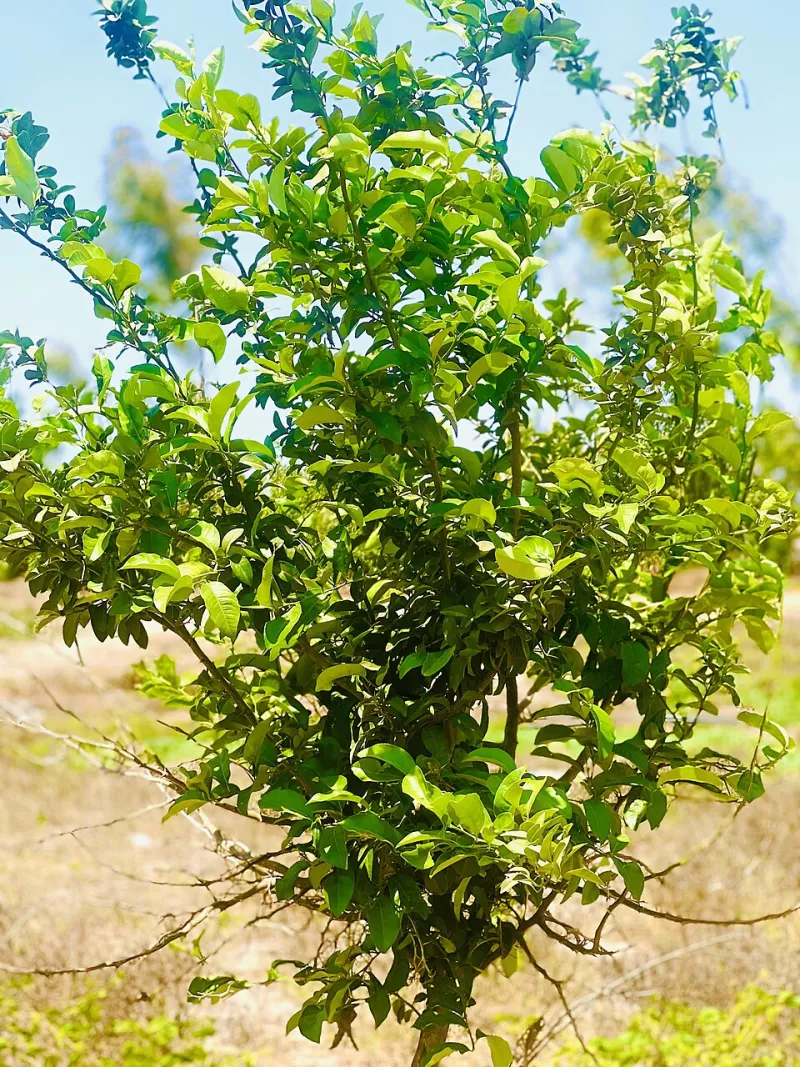
Photo: Cheikh cherif, CC BY-SA 4.0, via Wikimedia Commons
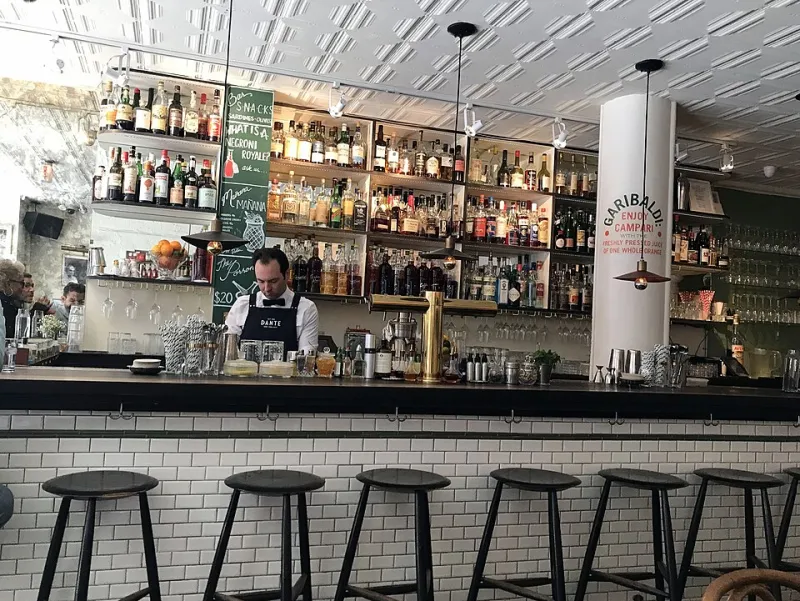
For the better part of a decade, the aspirational home bar looked the same everywhere: dark shelving, amber bottles, a smoke-filled crystal tumbler, and lighting dim enough to hide your garnish budget. It was moody. It was serious. It was, frankly, a little exhausting.
Then citruscore showed up, and suddenly everyone's bar cart looks like a farmers market had a glow-up.
What Even Is Citruscore?
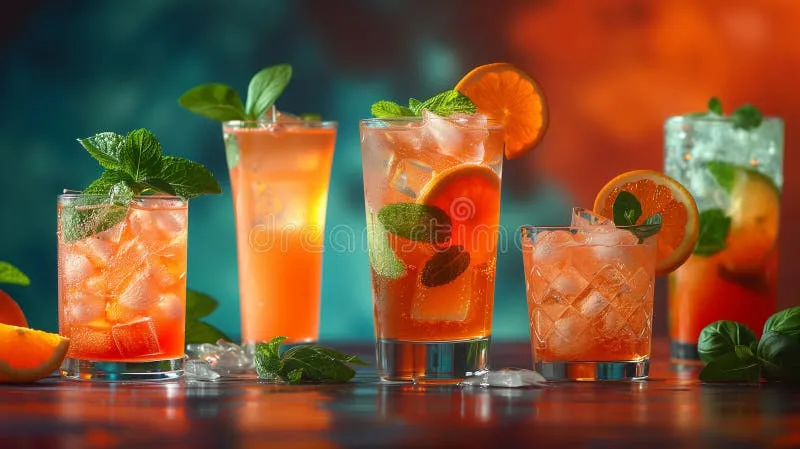
If you've scrolled a social feed in the last year, you've seen it: cocktails in tangerine and blood orange hues, glassware in lemon-yellow and lime green, bowls of whole citrus used as décor, dehydrated orange wheels strung like jewelry. The trend is less a single look and more a philosophy — bright colors, fresh fruit, and drinks that look like they taste good rather than like a chemistry experiment.
It's the visual opposite of dark mixology. Where the old aesthetic whispered, citruscore practically yells from across the patio. And honestly? We think your home bar could use the volume.
Why Orange Is the New Aperitivo Color
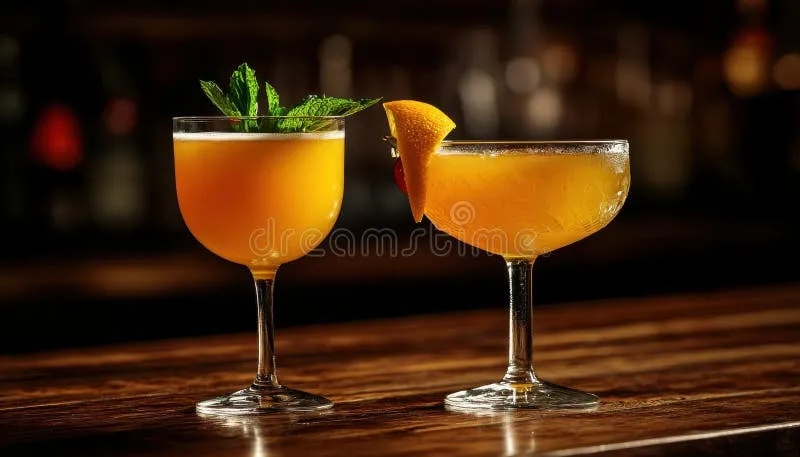
Aperitivo culture has always understood something American drinking culture forgot: bright drinks are social drinks. A negroni's ruby glow or an Aperol spritz's sunset orange isn't an accident — it's an invitation. Orange, specifically, signals freshness, acidity, and good times before the first sip even lands.
Orange vodka sits right at the center of this. It's a spirit that's inherently photogenic, mixes with practically everything, and — when you build drinks around it — gives your entire bar a color story that doesn't require a single LED strip.
Styling a Citrus-Forward Home Bar
Ready to make the switch? You don't need to redecorate. Start here:
- Let the fruit be the décor. A wooden bowl of oranges, lemons, and limes does more for a bar cart than any piece of brass tchotchke ever will. Bonus: you'll actually use it.
- Upgrade your glassware color. Swap one or two moody rocks glasses for a set of ribbed tumblers in amber or yellow. Instant warmth, zero renovation.
- Batch your citrus juice. Citruscore is about freshness, and nothing kills the vibe like squeezing limes mid-party. Juice ahead, store in labeled bottles, and garnish freely.
- Add one plant that looks like it belongs. A small citrus tree or a bunch of fresh herbs (rosemary, basil, mint) bridges the gap between bar and garden.
The Garnish Game Is the Whole Game
Here's where citruscore separates the casuals from the committed. Garnish stopped being an afterthought and became the main event:
- Dehydrated orange wheels: Slice thin, bake low and slow (around 200°F for 2-3 hours), and you've got garnishes that last weeks and look like stained glass.
- Expressed peels: Twist a peel over a drink and watch the oils mist across the surface. It takes four seconds and makes you look like a professional.
- Colored ice: Freeze citrus juice, edible flowers, or thin fruit slices into your ice cubes. Your drink literally gets prettier as it melts.
- Peel curls: A vegetable peeler and a steady hand turn an ordinary highball into something that belongs on a magazine cover.
The rule of thumb: if the garnish makes someone pick up their phone before their glass, you've done it right.
Squeeze the Day
Look — we're an orange vodka site, so of course we're biased. But the case for citruscore goes deeper than brand loyalty. The trend is really about a shift in how we want to drink at home: less costume, more comfort. Brighter colors. Fresher ingredients. Drinks that taste like the season they're served in.
Dark mixology had its moment. But life's too short for a bar cart that takes itself that seriously. Crack a window, cut an orange, and squeeze the day. Your guests — and your feed — will thank you.